
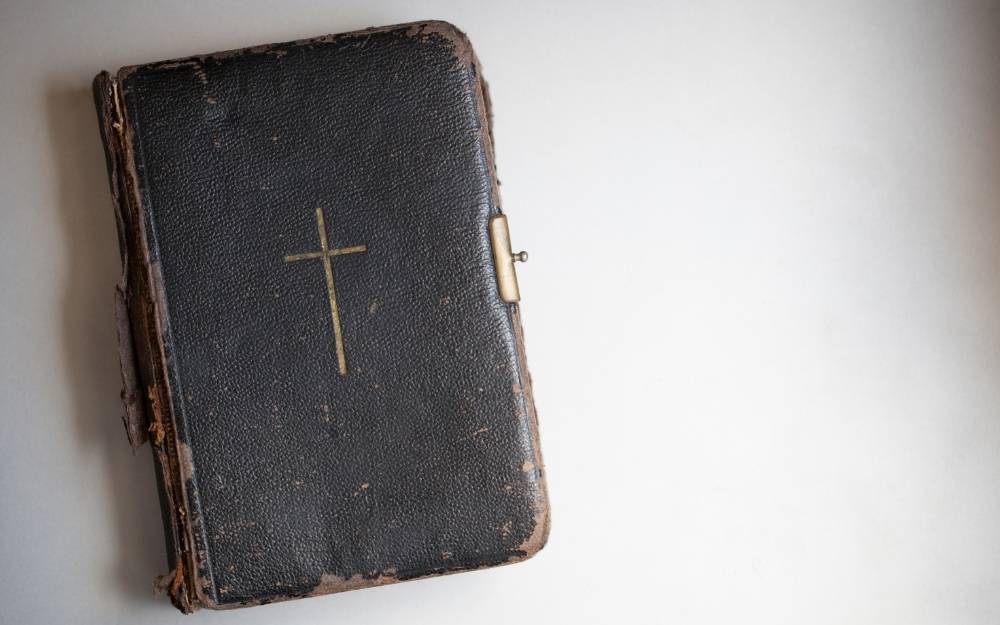
The unique appeal of a well-worn page
There is something remarkably special about holding a book that has already lived a full life before reaching your hands. When it comes to scripture, this sentiment feels even more profound. While the smell of a brand-new book is certainly pleasant, it cannot compete with the character and history found in used bibles. For many readers, collectors, and students of theology, a pre-owned copy offers a connection to the past that a factory-fresh edition simply lacks. Whether it is a vintage leather-bound volume from the mid-twentieth century or a well-loved study guide from a few decades ago, these books carry a sense of stewardship and continuity.
In an age where everything is mass-produced and often designed to be disposable, the enduring nature of a high-quality Bible stands out. Older editions were often crafted with a level of care and material quality that is increasingly rare today. From the thickness of the India paper to the genuine goatskin or calfskin covers that have mellowed and softened over time, the tactile experience of using an older Bible is frequently superior to modern alternatives. People are increasingly turning back to these older treasures, not just for the sake of nostalgia, but for the tangible quality they provide.
Why notes in the margins matter
One of the most fascinating aspects of picking up a pre-owned Bible is the glimpse it offers into the spiritual journey of its previous owner. While some collectors prefer pristine copies, many find beauty in the ‘marginalia’—the handwritten notes, underlined verses, and dates scribbled in the corners of pages. These marks transform the book from a mere object into a shared experience across generations.
- Handwritten prayers that reveal what a previous owner was struggling with or celebrating.
- Cross-references that show how a student of the word connected different themes.
- Pressed flowers or old bookmarks left between the pages, acting as a physical time capsule.
- Family records often found in the front of older editions, detailing births, marriages, and deaths.
When you read a Bible that has been heavily annotated, you aren’t just reading the text; you are engaging with a legacy of faith. It reminds us that these words have been wrestled with, prayed over, and relied upon by real people in real circumstances. For a student of theology or a pastor, seeing how someone else interpreted a difficult passage decades ago can provide fresh perspective and a sense of communal wisdom.
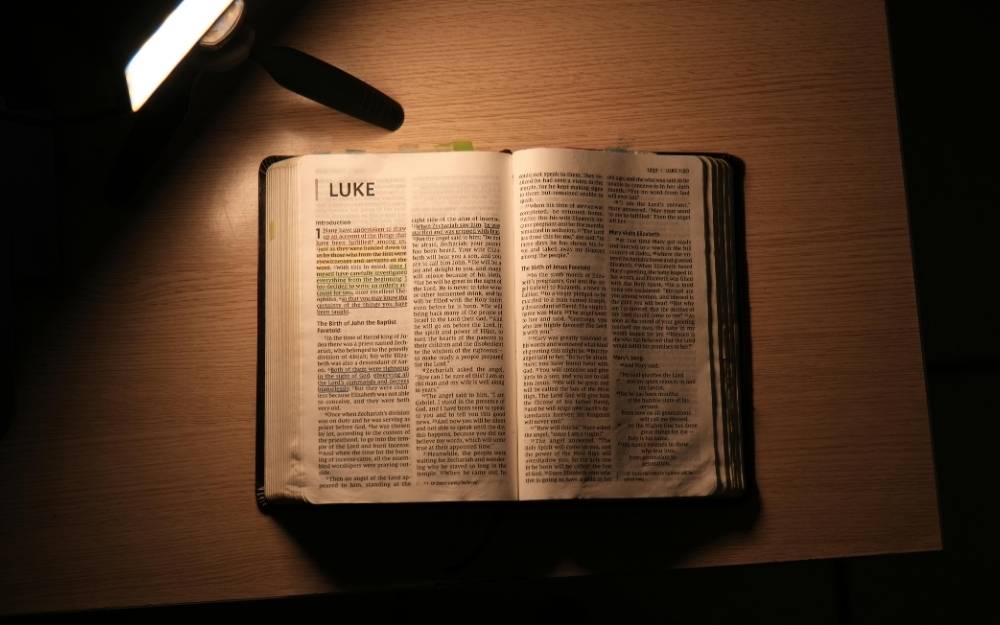
Finding rare and out of print editions
The publishing world is constantly changing, and unfortunately, many excellent translations and specific study editions eventually go out of print. If you have a particular fondness for a specific layout, a certain type of typeface, or a translation that is no longer the ‘flavour of the month’ for major publishers, the second-hand market is your best friend. Many people spend years searching for a specific edition of the Revised Standard Version or an older Cambridge print that features a layout they find particularly readable.
Furthermore, the quality of binding has seen a shift over the years. In the past, Smyth-sewn bindings—which allow the book to lay flat and prevent pages from falling out—were more common even in mid-range editions. Today, many new Bibles use glued bindings that stiffen over time and eventually crack. By seeking out used bibles, you can often find a superior ‘workhorse’ copy that will last for several more decades of daily use at a fraction of the price of a modern premium edition.
The environmental and ethical choice
In recent years, many of us have become more conscious of our consumption habits. Choosing second-hand items is a fantastic way to reduce our environmental footprint. The production of leather, the milling of specialised paper, and the shipping of heavy books across the globe all have an environmental cost. By choosing to re-home a Bible that already exists, you are participating in a form of sustainable stewardship.
There is also an ethical dimension to consider regarding the support of smaller, independent businesses. When you look for used bibles through specialist theological booksellers, you are often supporting experts who have a genuine passion for the material. These booksellers spend their time sourcing, cleaning, and sometimes even repairing these volumes to ensure they find a good home. This is a very different experience from buying a mass-marketed book from a giant online retailer where the personal touch is entirely lost.
What to look for when choosing a pre-owned copy
If you are new to the world of second-hand book buying, it can be helpful to know what to look for to ensure you get a copy that meets your needs. Not all wear and tear is created equal, and understanding the condition descriptions used by booksellers is key to a successful purchase.
- Binding Integrity: Check if the spine is still firmly attached and if the pages are secure. A ‘shaken’ binding means the book block is starting to pull away from the cover.
- Paper Quality: Look for mentions of ‘ghosting’ or ‘bleeding’. Older Bibles often used very thin paper, and if a previous owner used the wrong kind of pen, the ink might show through on the other side.
- Cover Material: Genuine leather (like goatskin or calfskin) can often be restored with a bit of leather conditioner, whereas synthetic ‘bonded leather’ tends to peel and cannot be easily fixed.
- The Presence of Odours: Old books can sometimes have a musty smell if they weren’t stored in a dry environment. Reputable sellers will usually disclose this.
Many collectors actually prefer a bit of ‘patina’ on the leather. A cover that has been handled frequently develops a unique sheen and flexibility that you simply cannot get from a new product. It feels comfortable in the hand, like a pair of well-broken-in boots, making it much more inviting for daily reading sessions.
The joy of the hunt
There is an undeniable thrill in searching for a specific edition and finally finding it in a small shop or an online catalogue. It turns the process of acquiring a new Bible into an adventure. You might set out looking for a simple reading copy and stumble upon a rare 19th-century pulpit Bible or a beautifully illustrated edition that you never knew existed. The variety available in the second-hand market is vast, spanning centuries of printing history and dozens of different liturgical traditions.
For those who use their Bibles for intense study, having multiple copies can be incredibly useful. You might have your ‘clean’ copy for church, and then a series of second-hand copies that you aren’t afraid to mark up, highlight, and carry with you everywhere. Because the price point for pre-owned books is often much lower, it allows you to build a diverse library of different translations and commentaries without breaking the bank. This accessibility is vital for students and those in ministry who need a wide range of resources at their fingertips.

Preserving the legacy for the next generation
When you buy a used Bible, you aren’t just the owner; you are the current guardian. Many people find that they eventually pass these books down to their own children or friends. The fact that the book already has a history makes the act of passing it on feel even more significant. It carries the weight of everyone who has held it before, adding to the sense of a ‘cloud of witnesses’ that surrounds the text itself.
Caring for these books is relatively simple but requires a bit of mindfulness. Keeping them away from direct sunlight and extreme humidity will ensure the paper stays crisp and the leather remains supple. If you find a copy with a damaged spine, there are even professional bookbinders who specialise in ‘rebinding’ Bibles, giving a beautiful old text a brand-new lease of life with a high-quality leather cover. This practice of restoration is a beautiful way to honour the importance of the words contained within the pages.
Ultimately, the move towards second-hand scripture is a move towards quality, history, and personality. In a world that often feels fast and superficial, the weight and presence of an old Bible provide a grounding influence. It invites us to slow down, to appreciate the craftsmanship of the past, and to recognise that we are part of a much larger story that began long before we picked up the book and will continue long after we have passed it on to the next reader.


